
Diabetes Care
What Is Diabetes
Diabetes is a chronic health condition that affects how the body processes blood sugar (glucose). Glucose is the main source of energy for the body, and insulin—a hormone produced by the pancreas—helps regulate blood sugar levels. When the body does not produce enough insulin or cannot use it effectively, blood sugar levels rise, leading to diabetes.
If not managed properly, diabetes can cause serious health complications over time.
Why Is It Important to Take Care of Diabetes?
Proper diabetes management is essential to prevent long-term complications and maintain a good quality of life. Uncontrolled diabetes can affect multiple organs and systems in the body, including:
Heart and blood vessels (increased risk of heart disease and stroke)
Kidneys (kidney failure)
Eyes (vision problems and blindness)
Nerves (neuropathy and numbness)
Feet (slow healing wounds and infections)
Early diagnosis, regular monitoring, and proper treatment help control blood sugar levels and reduce the risk of complications.
Types of Diabetes
Type 1 diabetes occurs when the immune system attacks insulin-producing cells in the pancreas. It usually develops in children or young adults and requires lifelong insulin therapy.
Type 2 diabetes is the most common form and occurs when the body becomes resistant to insulin or does not produce enough insulin. It is often linked to lifestyle factors such as obesity, poor diet, and lack of physical activity.
Gestational diabetes develops during pregnancy and usually resolves after childbirth. However, it increases the risk of developing type 2 diabetes later in life for both mother and child.
Prediabetes is a condition where blood sugar levels are higher than normal but not high enough to be classified as diabetes. With lifestyle changes, it can often be reversed.
Diabetes Treatment Methodology
Medication
Oral diabetes medications to improve insulin sensitivity
Injectable medications where required
Regular Monitoring
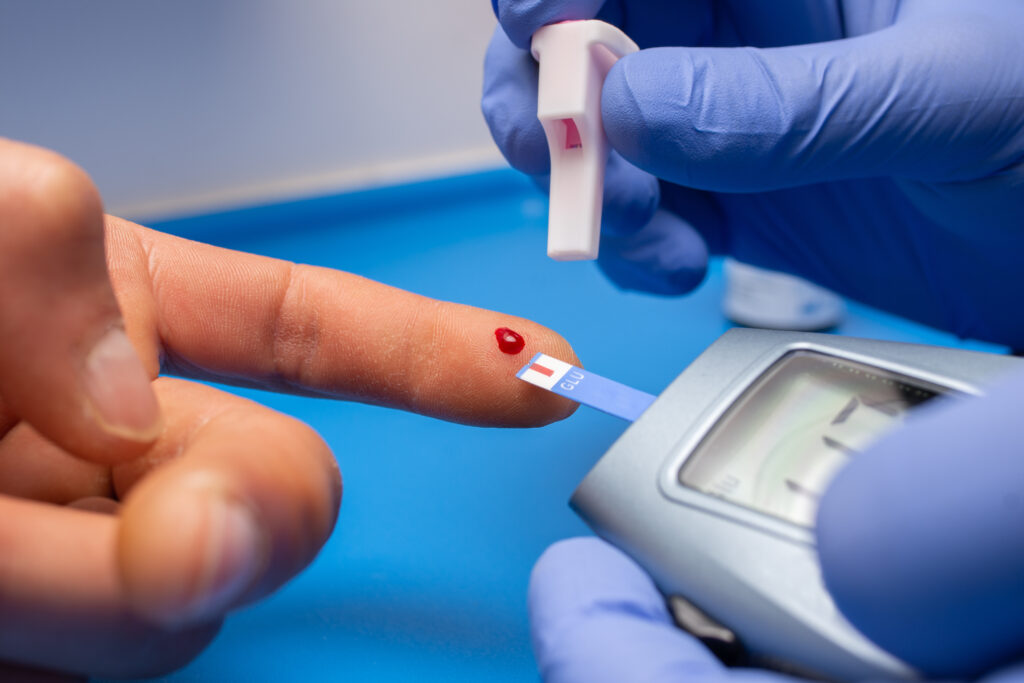
Blood sugar testing
HbA1c tests
Blood pressure and cholesterol monitoring
Lifestyle Management
Healthy, balanced diet
Regular physical activity
Weight management
Stress reduction
Insulin Therapy
Insulin is essential for people with type 1 diabetes and may also be required for some individuals with type 2 diabetes.
At Blossom clinic, we are committed to delivering high-quality, patient-centered healthcare services using advanced medical technology and evidence-based treatment approaches. Our experienced team of doctors and healthcare professionals provides personalized care tailored to each patient’s unique health needs.
We offer a wide range of preventive, diagnostic, and treatment services, ensuring complete care under one roof. From early diagnosis and routine health management to advanced medical treatments, our focus is on improving long-term health outcomes and overall well-being.
Blossom clinic follows strict safety and hygiene standards and emphasizes clear communication, compassionate care, and continuous patient support. We serve patients of all age groups with professionalism, comfort, and trust.